
Does The Body Keep The Score?
The Brain Trap And Professional Disagreement On The Brain And Nervous System Relation

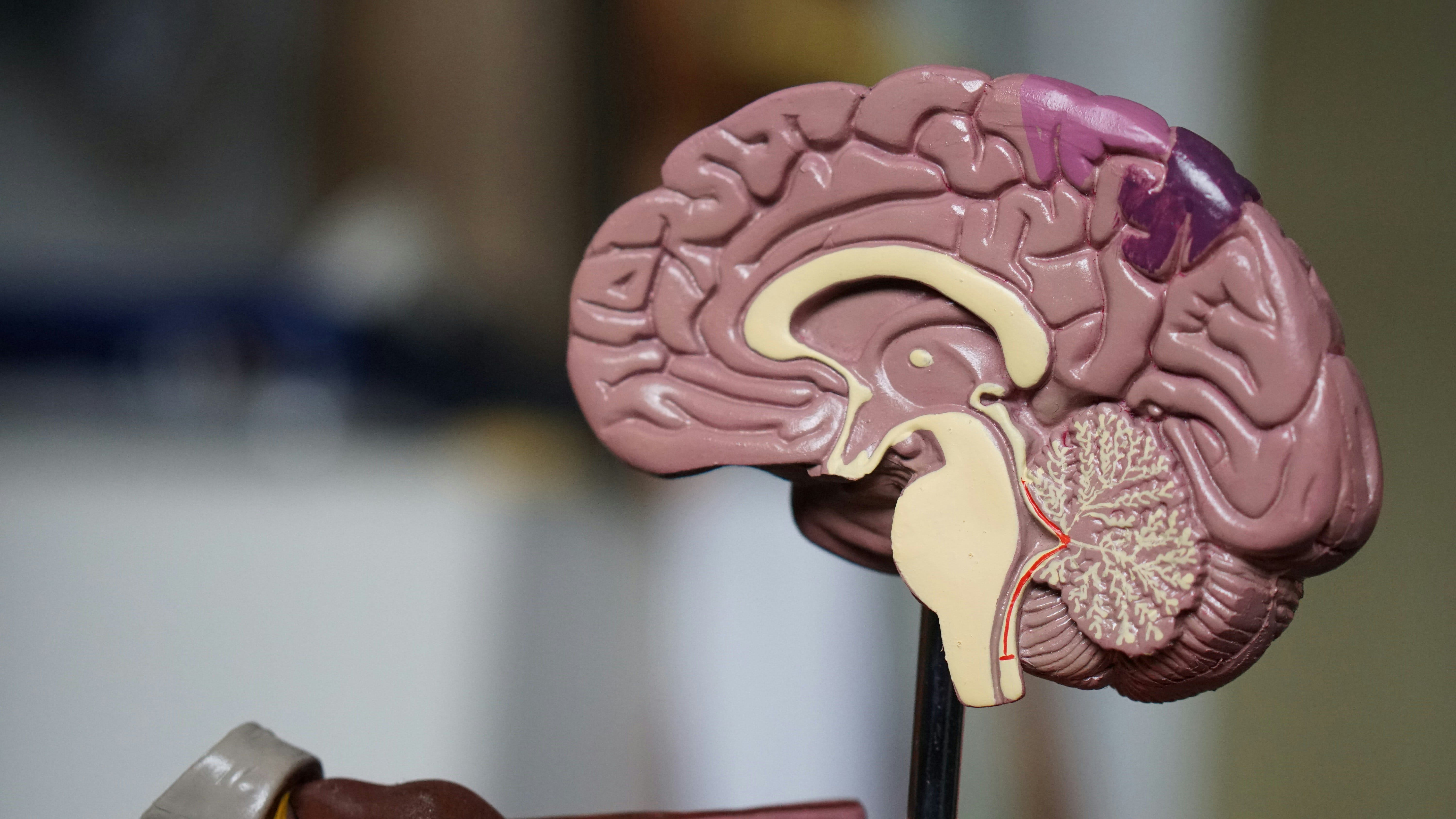
Does The Body Keep The Score?
The Brain Trap And Professional Disagreement On The Brain And Nervous System Relation
Written by a human, for humans, always.
So, when you begin to dig deep into psychophysiological research...
You find some interesting discussions and arguments.
For instance...
There is a lot of research that is looking at how trauma and memory work within the body and the nervous system.
This has led to the phrase, “The Body Keeps The Score”, popularized by the book of the same name.
However...
Not everyone agrees with this model.
I just read a theoretical framework from some of my favorite writers and researchers in this field, Steven Kotler and Michael Mannino.
Earlier in my career, I certified through Kotler’s organization, The Flow Research Collective, and Mannino graded my Magnum Opus, saying...
“Putting leadership in the context of psychophysiology is most innovative!”..
As well as calling my research...
“...excellent, very relevant, and scientifically rigorous.”
That was a bit over 4 years ago...
And I have a lot of respect for both of these individuals, and they have greatly influenced my own work.
Their work in the area of flow states has absolutely been instrumental in my own work, both personally and in helping clients.
So, I was interested when they said that “the body does not keep the score”.
But here is the thing...
As much as I respect and value their work and contributions...
I disagree with their conclusion in this matter.
Yet...
I see where they are going.
What I see as the fundamental challenge when reading their theoretical framework...
Is what I call the Brain Trap.
This is something that I have discussed many times before...
And what it essentially says is that there are really fantastic scientists who fall into the trap of believing that all thought is controlled exclusively by the brain...
Which causes them to miss alternative points of view.
Specifically in this case...
Kotler and Mannino see the nervous system and the brain as one singular unit, exclusively controlled by the brain...
Whereas I see them as two distinct, interdependent systems...
That are part of a total of four Cognition Systems - Thinking systems that work interdependently.
Why is this important?
It comes into what becomes possible to overcome challenges we face in psychophysiology.
See...
From the research paper...
Kotler and Mannino talk about how the metaphor of the “body keeping the score” can create an image of a “scar” that cannot be fixed in the body.
The example would be that if you experience a traumatic event...
It gets “stored” in the body (or more accurately, the nervous system).
If you believe that the brain and nervous system are the same thing...
But all the power is in the brain...
How do you resolve this “emotional scarring”?
This is the Brain Trap.
It is making the assumption that, because it is “in the body” and not “in the brain”, that it becomes scar tissue that nothing can be done about.
Now, Kotler and Mannino say that this is just the image that the metaphor creates, but does not accurately reflect what happens...
Which I can see where they are going with it...
Because you “could” take this image and incorrectly believe that this means that trauma is stored in the muscle, which is not accurate.
That “could” feel like you are powerless to do anything.
But they then go about trying to resolve the Nervous System problem, where trauma is technically “stored” and impacting the brain...
Then try to use the brain to solve the problem...
To which their answer is Flow States.
Now...
Are they correct that you could utilize Flow States...
A function primarily belonging to the brain Cognition System...
To solve a challenge that is happening in the nervous system?
From my experience with clients...
Technically, yes, you can use Flow States to accomplish this goal...
But...
It is both inefficient...
And...
Sometimes not possible.
Think of it like this...
The challenge in the nervous system revolves around stressors...
And when the nervous system associates what is called an “aspect” with danger...
The “memory” gets stronger in the nervous system.
The stronger and more ingrained the “memory”...
The more often it is “reinforced”...
The more likely that it initiates a stress response.
Now, these are the problems with utilizing Flow States to solve this problem...
To initiate a Flow State...
You need to have “enough” stress to become fully engaged in what you are doing (known as eustress)...
But not “so much” stress that it becomes overwhelming (known as distress).
When the nervous system is working off a stress reaction...
The stronger the stress reaction becomes...
The less “new” stressors it can handle...
And the stress needed to get the brain engaged in the Flow State may be “too much” for the nervous system...
Creating a distress reaction without the brain being able to get into the flow state.
The other problem...
Is that whatever flow activity you do...
Has to “include” whatever “aspect(s)” of the traumatic event to “overwrite” the memory in the nervous system...
And either has to happen “enough times” to do this or have an extremely “strong” experience to accomplish this.
The problem with this is that the “strong” activity will likely drive someone into distress before it drives them into flow...
And that if you do not know what the “aspect” is, then you will have a difficult time doing the right flow activity.
What can be an aspect?
Nearly anything.
From colors to tastes to sounds to strange non-logical associations (not illogical), and so much more.
If you are not sure which aspect the nervous system is latched onto...
You will be hard-pressed to use the flow state to accomplish the goal successfully.
Again, it is possible...
Just not ideal.
But this becomes the only “logical” solution when you are in the Brain Trap.
What I have found in my work, though...
Is that if you focus on using a nervous system method...
To solve a nervous system challenge...
It is significantly easier...
While also not requiring a flow state...
And...
When you resolve the nervous system challenge...
You can actually get into flow states more easily and much more consistently.
An extremely well-researched method for doing this is EFT or Tapping...
A modality for which I am certified as a Master Practitioner.
It combines Exposure Therapy and Accupressure to specifically work with the nervous system...
Identify aspects kept in the nervous system quickly...
And resolve them quickly.
There has been great research here where individuals with extreme PTSD were able to lose their diagnosis...
And maintain their freedom from PTSD...
Even a year after doing EFT and Tapping sessions...
All accomplished in 8 sessions or fewer for most participants.
The reason it works so well...
Is because it solves the nervous system challenges...
From a nervous system perspective...
Instead of trying to use a brain solution to a nervous system problem.
This is also why most of these PTSD cases struggled with Cognitive Behavioral Therapy...
This, too, is a brain solution.
Now, can CBT work for solving PTSD?
Absolutely.
But it usually takes longer and is less effective because it is a brain-focused solution...
Because it, too, was developed under the Brain Trap.
Now, EFT and Tapping are not the only ways to work on the nervous system directly.
I have had success with clients also using VibroAcoustic Therapy and Somatics...
And I have even been investigating the merits of Flower Essence Therapy combined with Acupressure for clients who cannot express their emotions and the challenges in their nervous system with words (aka loss of speech or non-verbal).
The point is...
What I find in research so often...
Is that people often become so focused on one aspect of psychophysiology...
That they get blinded from seeing better and easier solutions that exist...
Such as the Brain Trap.
This problem is what led me to research and get multiple degrees and certifications in a multitude of psychophysiological methodologies.
They allowed me to see the problems from a more complete perspective...
Then look for the best solution based on the specific problem(s).
Instead of trying to resolve a nervous system problem through a brain solution...
I would have a client use a nervous system solution.
Instead of trying to resolve a neurogastroenterological (gut-brain) problem through a brain solution...
I would have a client use a neurogastroenterological solution.
By doing this...
You get significantly better results with clients...
In dramatically less time than most people realize is possible.
Through my time and research in psychophysiology...
There are many people whom I have a deep respect for and whose work has impacted my own in incredible ways...
And...
I simultaneously do not always agree with them.
I actually find these disagreements and perspectives incredibly valuable.
Why?
Often, these different perspectives highlight both strengths and faults in these industries.
Looking at how people see something, or what they take away (correctly or incorrectly) can help us get a better picture...
Both in what solutions are possible...
But also with how to improve our communication of these complex topics.
It can show us where people are looking...
But also where they are not paying any attention.
Over time...
These disagreements can actually bring us closer to how to approach the deep complexity of being a human.
We need to challenge others...
And be challenged.
That is how we all become better.
To Your Sageship,
Cody
P.S. - It can be Difficult to Figure Out How To Achieve…
Stress Optimization
Psychophysiological Freedom
An Exemplar Wayset
If you want Aid on the Path to Sageship, let me know - I’ll be Your Coach and Guide.
Just Send Me A Message.